
Farmers Market Pesto: A Flexible Way to Preserve the Season
One of the easiest ways to preserve the abundance of spring and early summer is by making pesto. Pesto is endlessly adaptable, works with a wide range of greens and herbs, and freezes beautifully for later use. It’s also one of my favorite “clean out the garden basket” recipes — a place for carrot tops, kale stems, arugula, parsley, cilantro, radish greens, spinach, basil, and even edible weeds like chickweed or nettles.At its heart, pesto is less of a strict recipe and more of a preservation method.
Why Pesto Is Such a Good Preservation Recipe
Fresh herbs and greens often come all at once. One week you’re waiting for growth, and the next you have more parsley, kale, or basil than you know what to do with. Turning those greens into pesto helps extend their life while capturing their flavor at peak freshness.Pesto can be:Frozen in jars or silicone traysStored in the refrigerator for short-term useMade dairy-free for longer freezer storageUsed as a sauce, marinade, spread, soup starter, or dipThis is also a wonderful way to reduce food waste and preserve small amounts of greens that might otherwise wilt in the fridge.

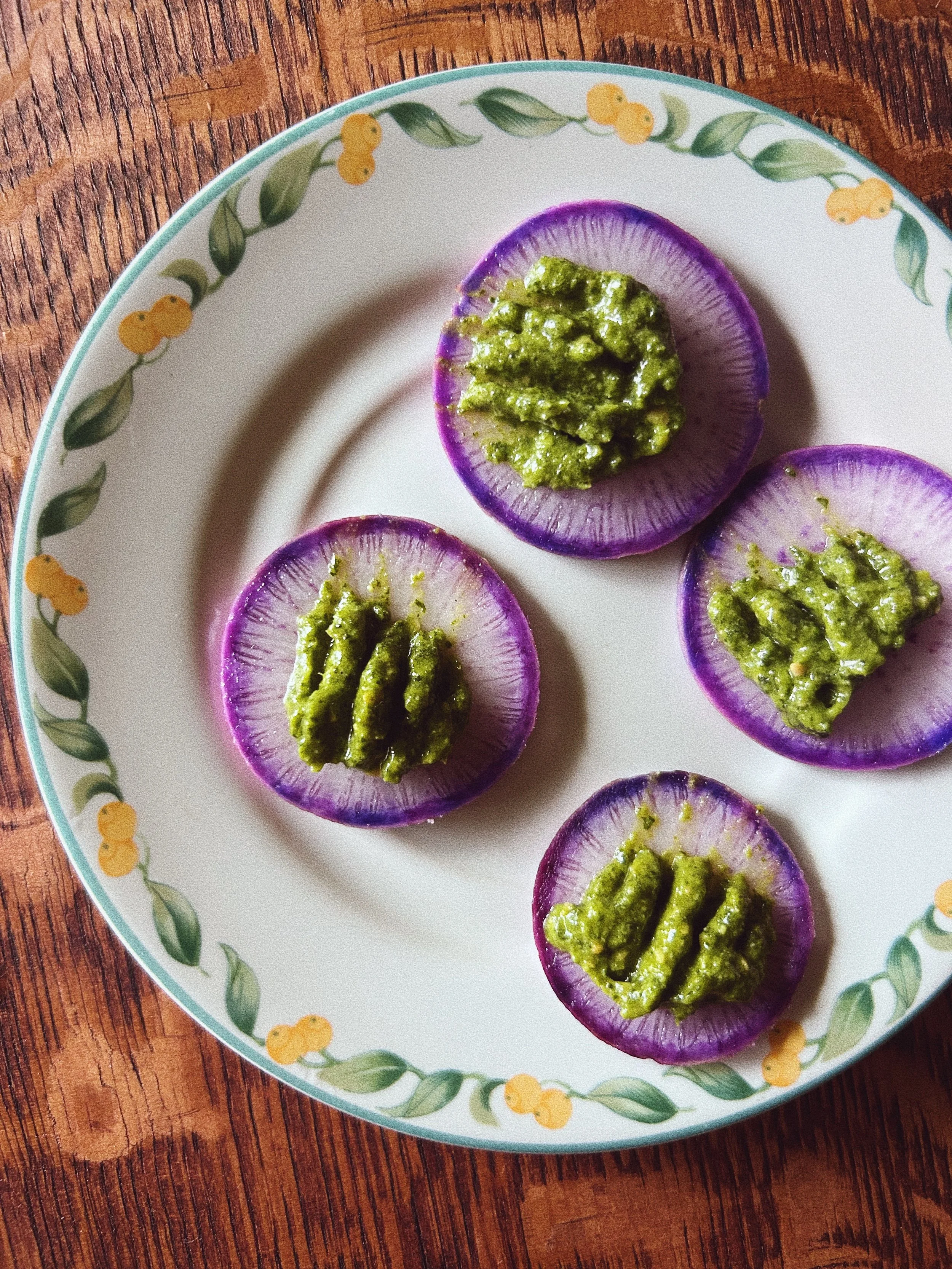
Flexible Spring Pesto Recipe
Ingredients
3 cups greens or herbs
½ cup nuts or seeds
¾–1 cup oil
½ cup cheese or nutritional yeast
3–5 cloves garlic
1 tsp salt
2–3 tbsp lemon juice
Instructions
Blend everything until smooth. Adjust to taste. Freeze extra for later.
Greens & Herb Ideas
This recipe works with almost any combination of greens and herbs, including basil, parsley, cilantro, kale, arugula, spinach, carrot tops, radish greens, beet greens, turnip greens, mustard greens, sorrel, nettles, chickweed, lambsquarters, dandelion greens, chives, chive blossoms, mint, dill, fennel fronds, celery leaves, oregano, marjoram, sage, tarragon, purslane, pea shoots, sunflower shoots, or even a handful of edible flower petals like nasturtium or calendula. Mixing mild greens with stronger herbs often creates the best balance of flavor.
You can also mix and match depending on what’s growing.
Nut & Seed Options
Traditional pesto uses pine nuts, but many local and affordable options work beautifully: Sunflower seeds, Pumpkin seeds, Walnuts, Hazelnuts, Almonds
How to Preserve Pesto
Freeze in Ice Cube Trays
One of the easiest methods. Pour pesto into silicone ice cube trays, freeze, then transfer cubes into freezer bags or containers. This lets you thaw small portions as needed.
Freeze in Small Jars
Use freezer-safe jars and leave headspace for expansion. Label with the date and ingredients.
Skip the Cheese for Long Storage
If freezing for longer periods, consider leaving out cheese and adding it after thawing. This can help preserve flavor and texture.
Add a Thin Layer of Oil
If refrigerating short term, add a thin layer of oil to the top of the pesto to help reduce oxidation and browning.
Ways to Use Pesto
Toss with pasta or grains
Spread on sandwiches
Stir into soup
Mix into salad dressing
Spoon onto roasted vegetables
Add to eggs or frittatas
Use as a marinade
Learn More About Safe Food Preservation
For more research-based food preservation resources, seasonal recipes, and preservation guidance, the OSU Extension Service Food Preservation Program is an incredible resource. They offer trusted information on freezing, dehydrating, canning, fermentation, and safe food storage practices for home preservers in Oregon and beyond.You can also explore their guides on:Freezing herbs and greensSafe freezer storagePreserving garden abundanceSeasonal food preservation methodsThere’s something deeply satisfying about opening a jar of bright green pesto in the middle of winter and tasting spring again.