
Fava Beans: Oregon's Most Underrated Late Spring Crop
Millennials may remember fava beans as the beans Hannibal Lecter paired with a nice Chianti while thoroughly traumatizing Agent Clarice Starling and an entire generation of movie watchers.
Fortunately, fava beans deserve a much better reputation than that.
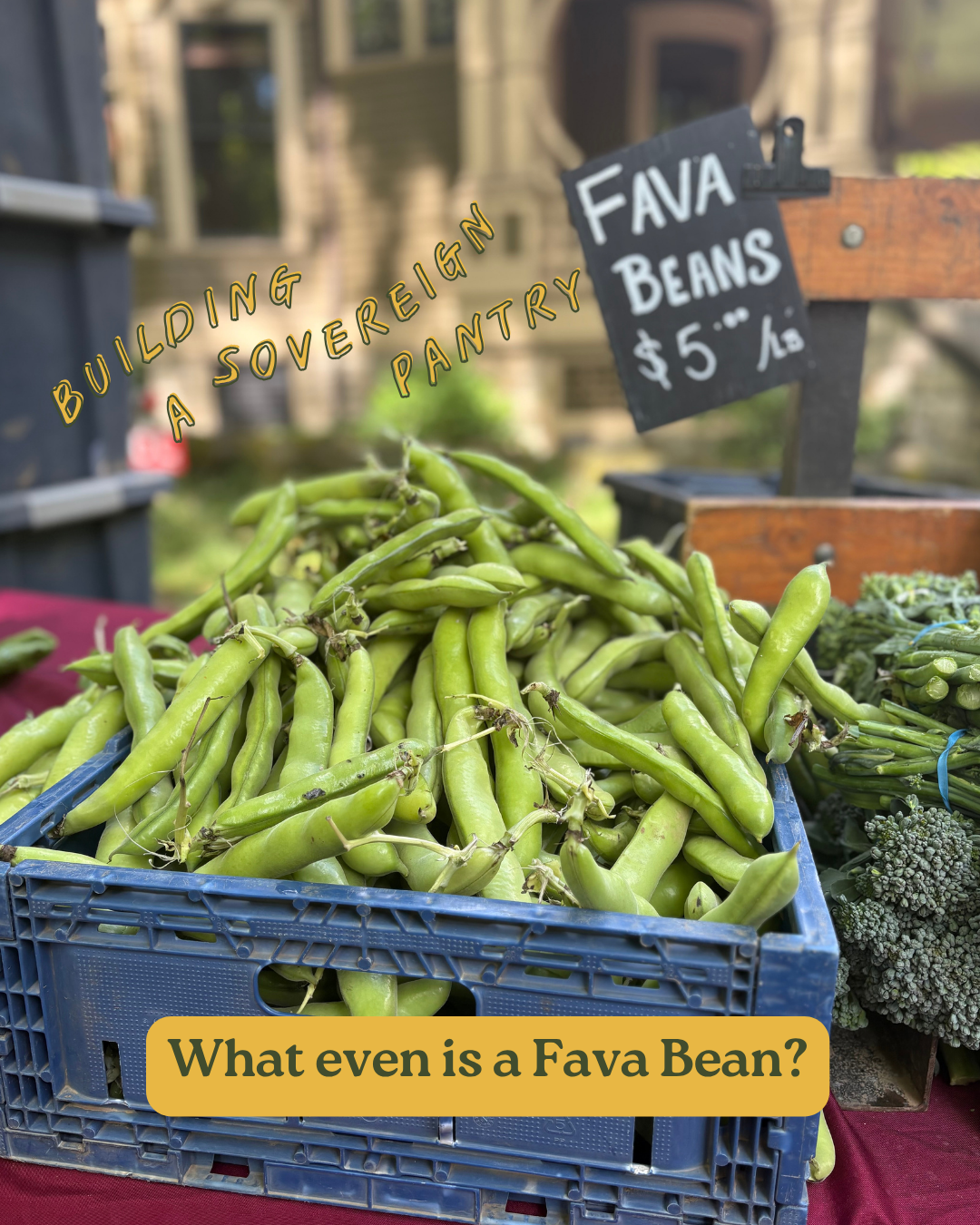
These creamy, nutty beans are one of the oldest cultivated food crops in the world and one of our favorite signs that late spring has arrived in the Willamette Valley.
If you've spotted giant bean pods at the farmers market and wondered what they are—or how on earth you're supposed to cook them—this guide is for you.
What Are Fava Beans?
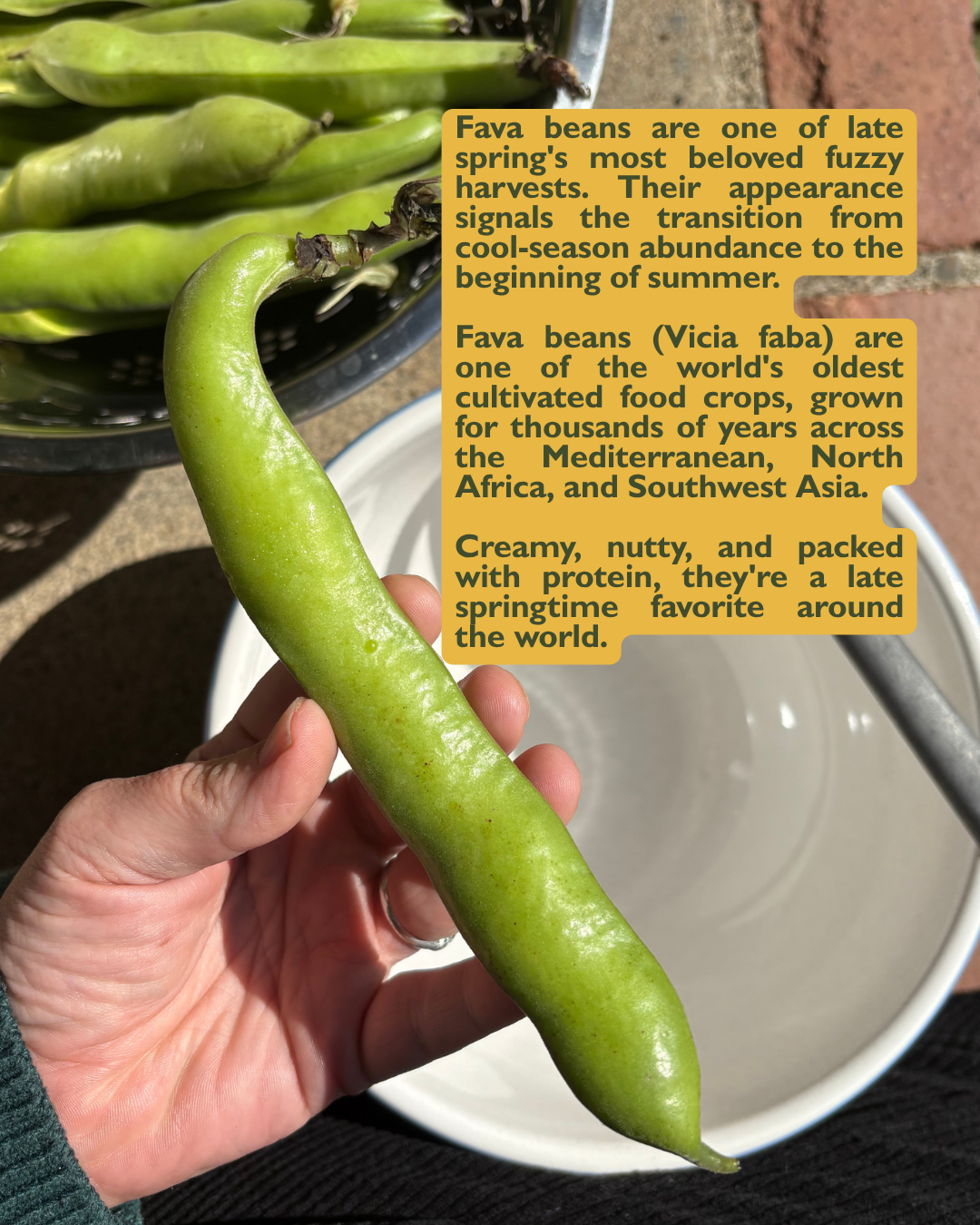
Fava beans (Vicia faba) have been cultivated for thousands of years throughout the Mediterranean, North Africa, and Southwest Asia.
Unlike green beans, favas are grown for the large beans hidden inside thick, fuzzy pods. Once prepared, they have a rich, buttery texture and a flavor that lands somewhere between a lima bean, pea, and chestnut.
They're delicious fresh, sautéed, tossed into salads, blended into dips, or simply eaten with olive oil and salt.
Why Do Fava Beans Grow So Well in Oregon?
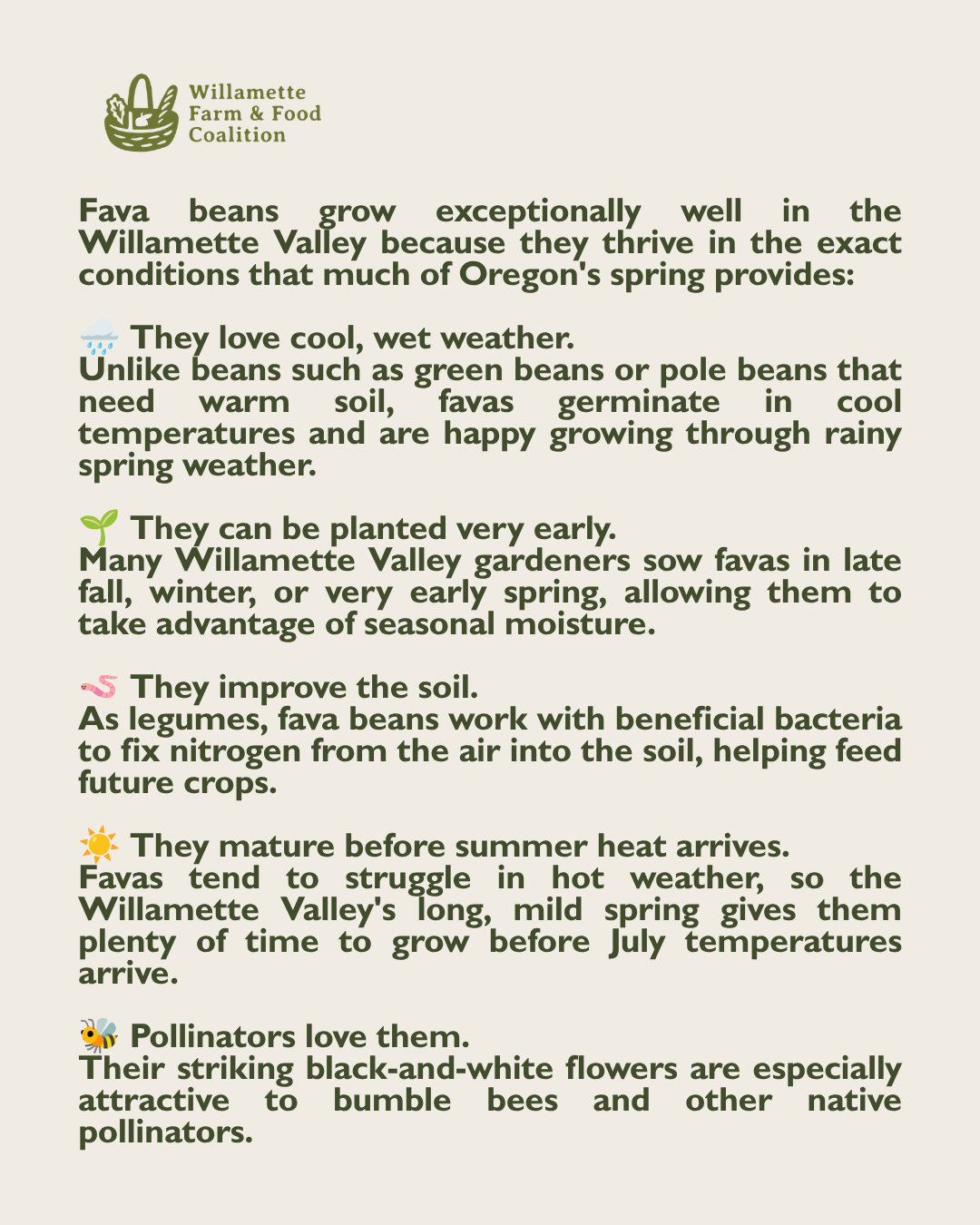
While fava beans aren't native to this region, they seem perfectly suited to life in the Willamette Valley.
Favas love:
🌧️ Cool, rainy springs
🌱 Rich soils
☀️ Long spring days
🌡️ Mild temperatures
While tomatoes, peppers, and squash are still waiting for warmer weather, fava beans are already thriving.
They're also nitrogen-fixing legumes, meaning they partner with beneficial soil microbes to pull nitrogen from the atmosphere and store it in the soil. In other words, they help feed future crops while producing food for us.
And pollinators love them, too. Their striking black-and-white flowers are a favorite of bumble bees and other native pollinators.
How to Prepare Fava Beans
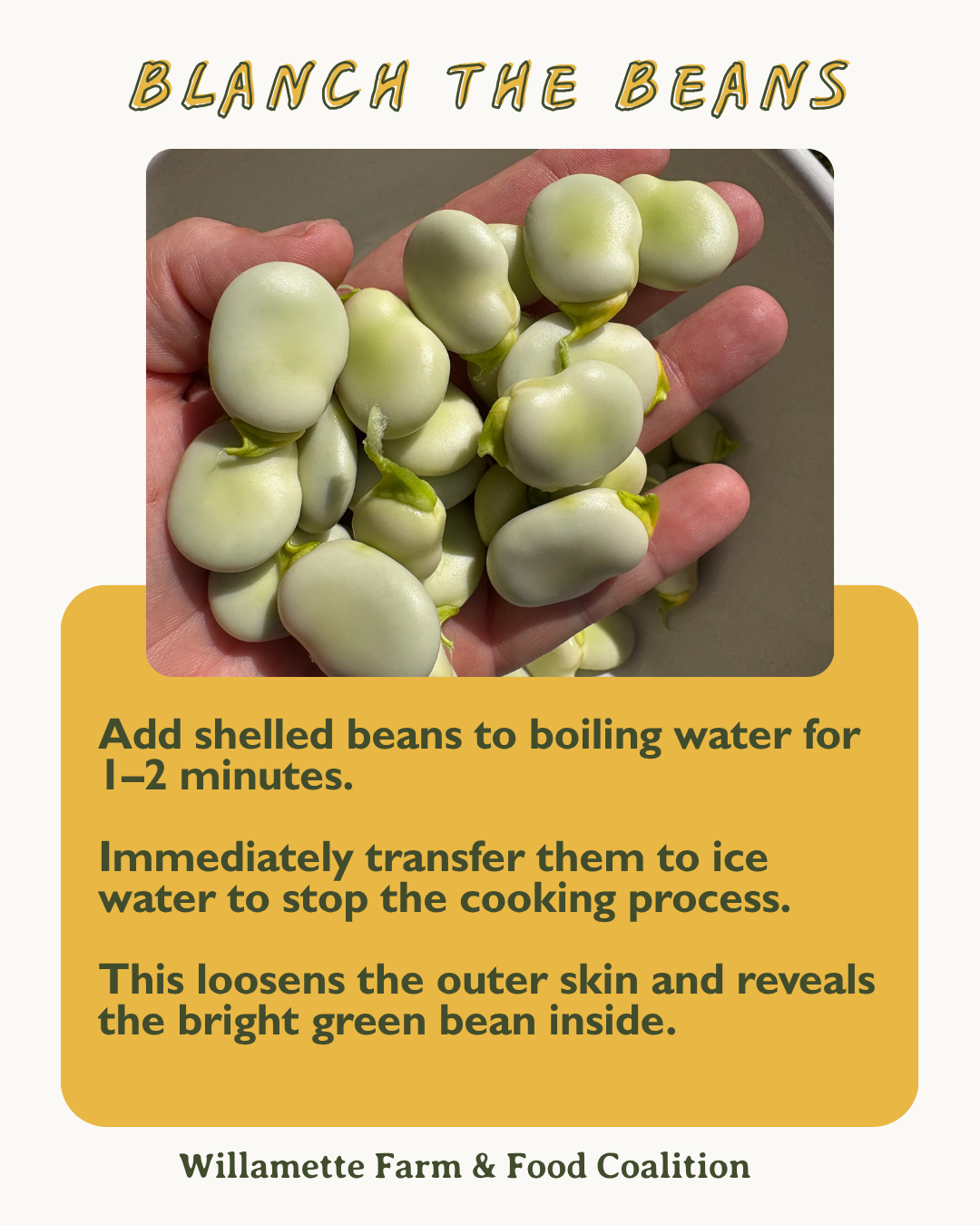
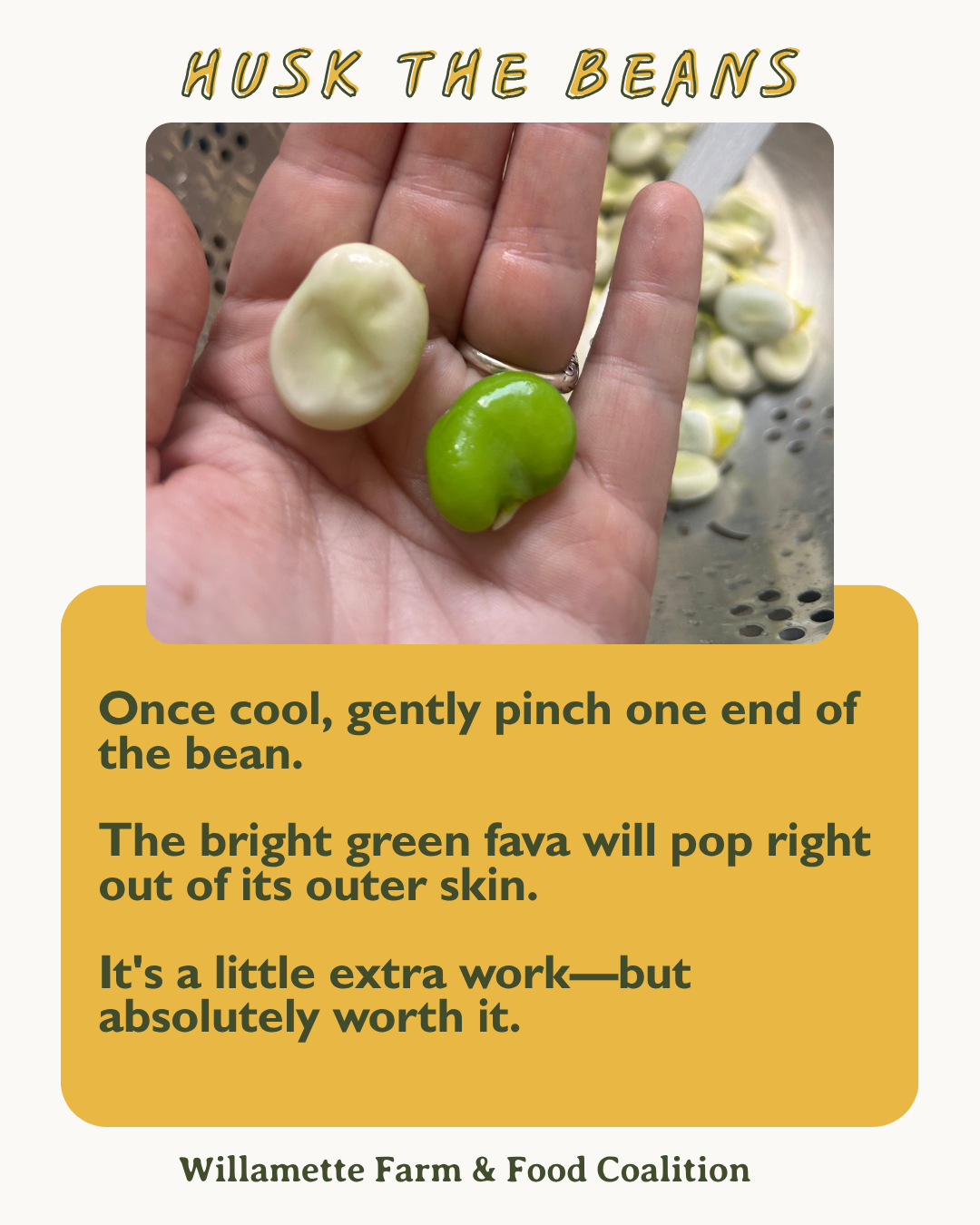
Fava beans require a few extra steps before eating, but don't let that scare you away.
Think of it as joining a very delicious club.
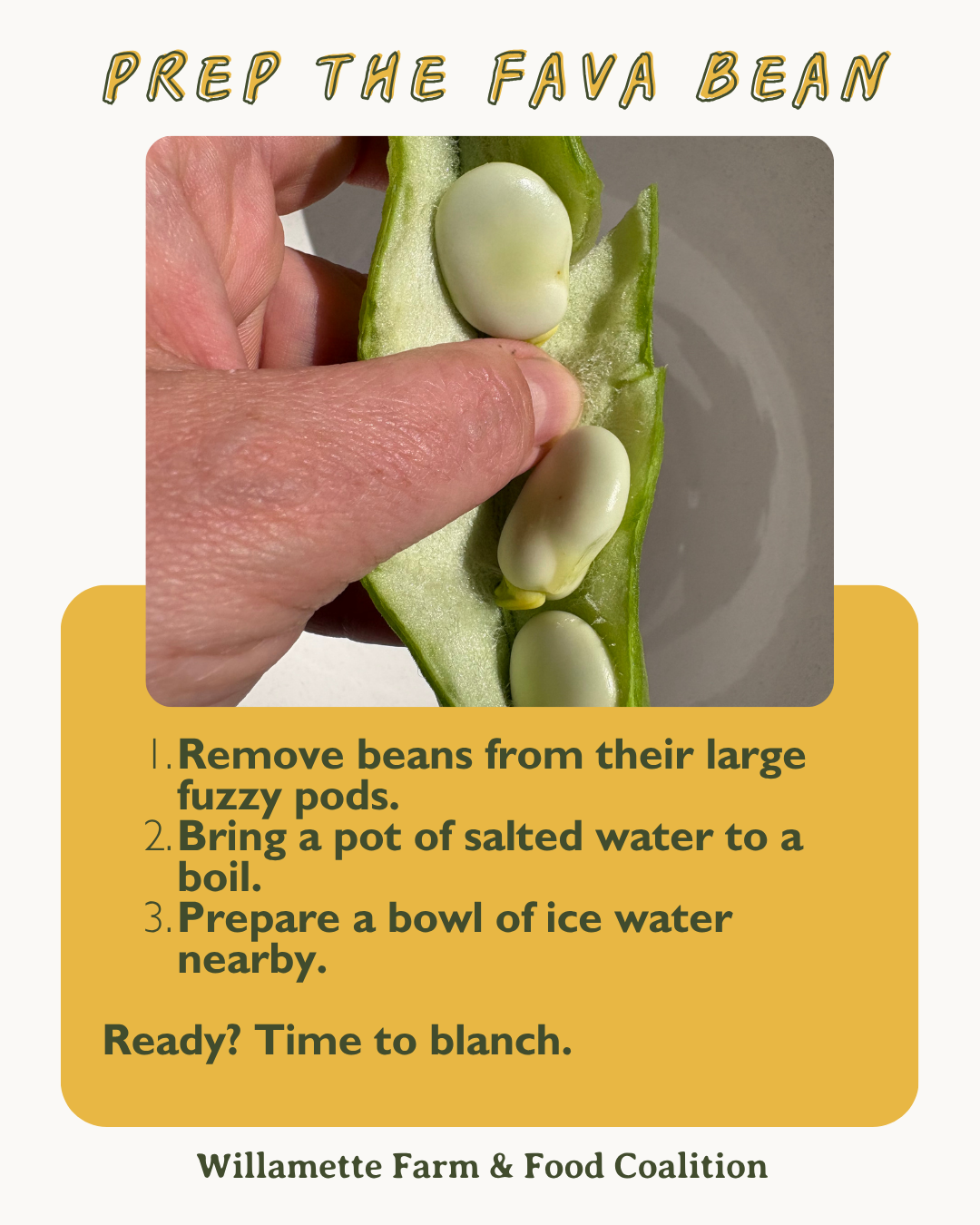
Step 1: Shell the Pods
Open the large pods and remove the beans inside.
Discard the outer pods or add them to your compost pile.
Step 2: Blanch the Beans
Bring a pot of salted water to a boil.
Add the shelled beans and cook for 1–2 minutes.
Immediately transfer them to a bowl of ice water.
This loosens the outer skin and helps preserve their bright green color.
Step 3: Remove the Outer Skin
Once cool enough to handle, pinch one end of the bean.
The bright green fava inside will pop right out.
This is where the magic happens.
A Simple Spring Fava Bean Salad
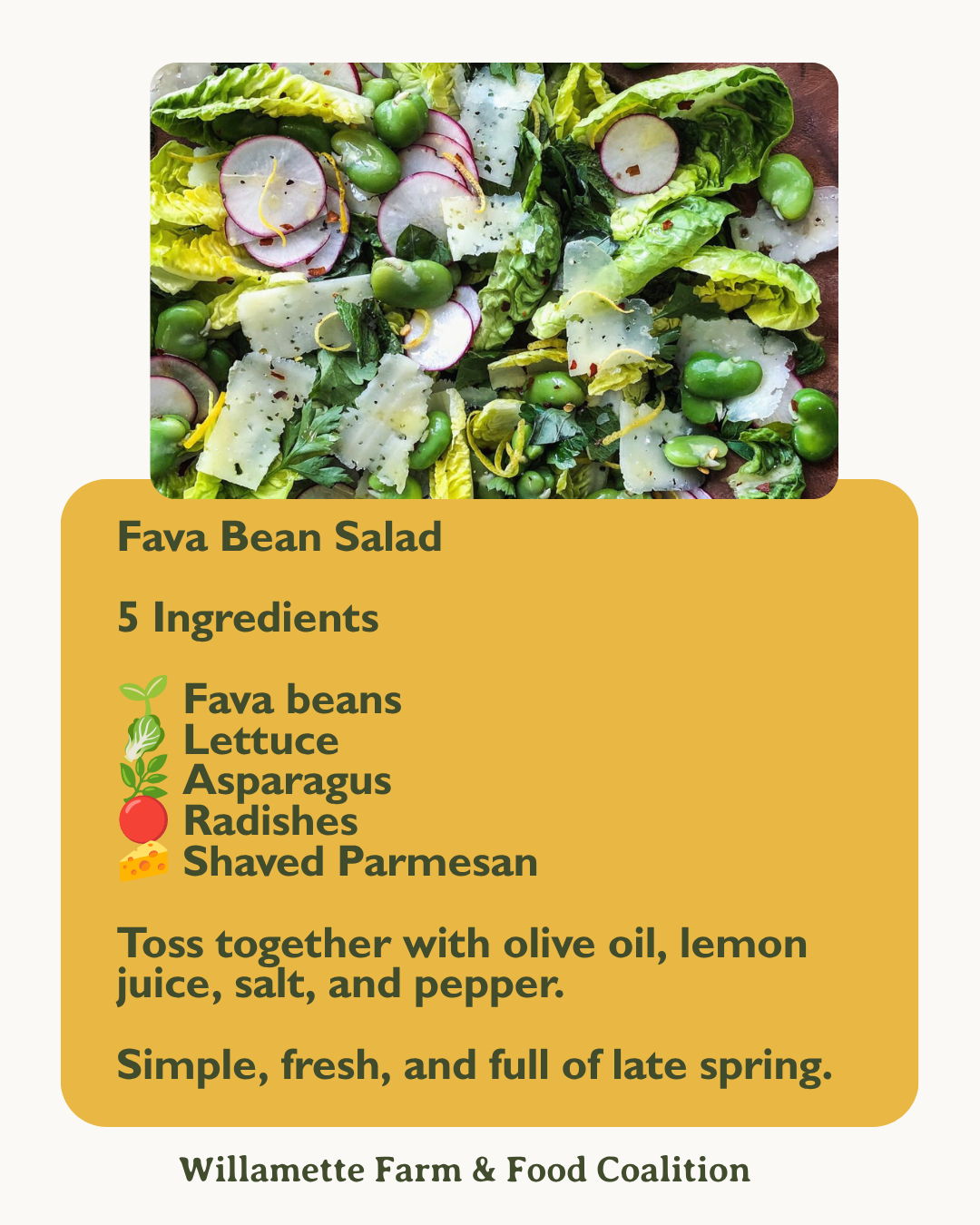
One of our favorite ways to enjoy favas is in a simple spring salad.
Combine:
Fresh fava beans
Lettuce
Asparagus
Radishes
Shaved parmesan
Dress with olive oil, lemon juice, salt, and pepper.
Fresh, bright, and full of late-spring energy.
Simple Sautéed Favas
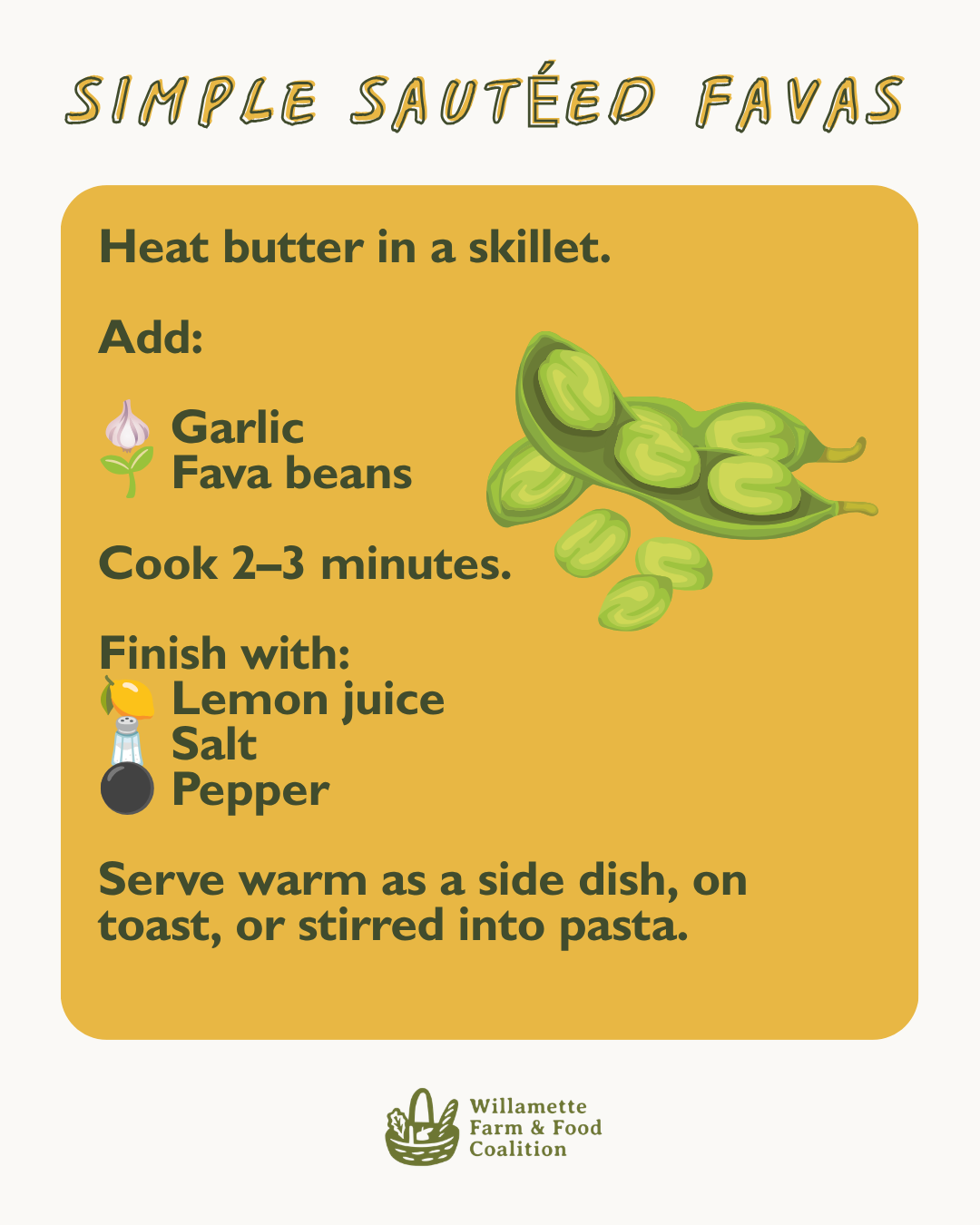
The easiest preparation may also be the best.
Heat a skillet with butter.
Add:
Garlic
Shelled fava beans
Cook for 2–3 minutes.
Finish with:
Lemon juice
Salt
Black pepper
Serve as a side dish, spoon over toast, stir into pasta, or eat directly from the pan while standing in the kitchen. We won't judge.
A Bean Worth the Effort
Yes, favas require a little peeling.
Yes, your fingers may get involved.
And yes, they're absolutely worth it.
Part of eating seasonally is learning to appreciate foods that arrive for only a short window each year. Fava beans remind us that not every meal needs to be convenient. Sometimes the best foods ask us to slow down, pay attention, and participate in the process.
Around here, that's our favorite kind of food.
If you see fava beans at your local farmers market this spring, grab a bag and give them a try. Your future self—and probably a few bumble bees—will thank you.
