
Preserve the Season: Meat, Poultry & Seafood
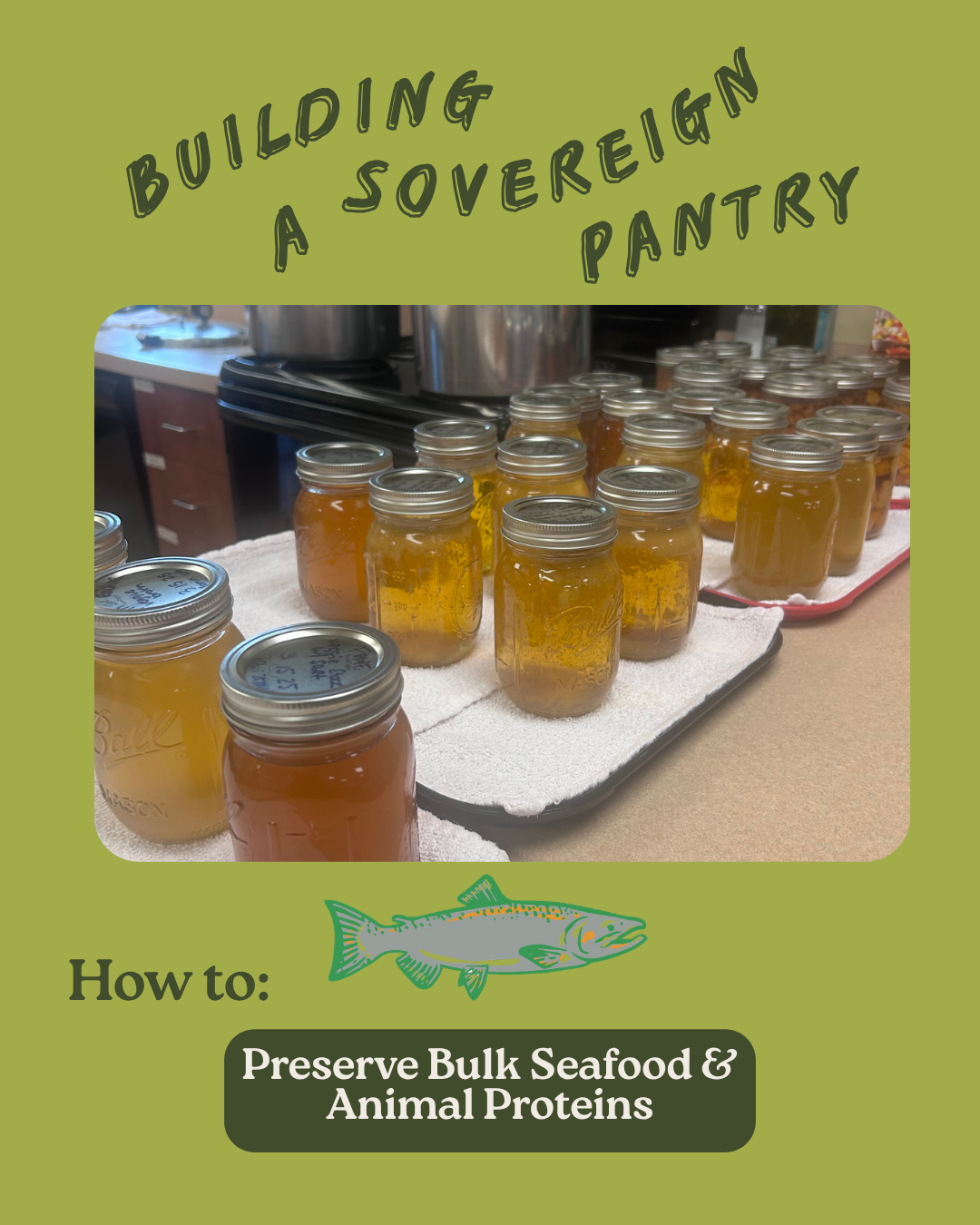
A little preparation today means more local food on your table all year long!
Buying meat, poultry, and seafood directly from local farmers, ranchers, and fishers is a wonderful way to support our regional food system. And when you purchase in bulk, knowing how to safely preserve your food can help you save money, reduce food waste, and enjoy locally produced foods long after your purchase.
Whether you're stocking your freezer, filling your pantry shelves, or trying your hand at homemade jerky, there are several ways to make the most of your purchases.
1. Pressure Canning Meat, Poultry & Game
Pressure canning allows you to preserve meat, poultry, and game in shelf-stable jars, making it easier to prepare soups, stews, and quick meals throughout the year.
Because these are low-acid foods, a pressure canner and tested processing instructions are essential for safe preservation.
OSU Extension Resource:
Canning Meat, Poultry and Game
2. Canning Seafood
From salmon to tuna, properly pressure-canned seafood can be a convenient addition to your pantry. Oregon State University Extension provides specific instructions for safely preparing and processing different types of seafood.
OSU Extension Resource:
Canning Seafood
3. Freezing Seafood
Freezing is one of the simplest ways to preserve fresh seafood. Proper packaging, temperature, and handling help maintain flavor and texture while protecting food quality.
Whether you've purchased fish directly from a local fisher or stocked up on seafood in bulk, freezing can help you enjoy your purchase over time.
OSU Extension Resource:
Home Freezing Seafood
4. Making Jerky at Home
Making jerky is another way to preserve lean meats while creating a convenient snack for hiking, camping, or everyday eating.
Safe jerky preparation requires more than simply drying meat. Following tested heating and drying procedures is important for preventing foodborne illness.
OSU Extension Resource:
Making Jerky at Home
Preserving Food Is Part of Food Sovereignty
Learning how to safely store and preserve food is one way we can build greater independence and resilience within our households and communities.
When we purchase directly from local farmers, ranchers, and fishers, preserve what we can, and share knowledge with our neighbors, we're helping build a regional food system rooted in relationships, skills, and community care.
Remember: Always follow research-tested preservation instructions. Not every method is appropriate for every food, and safe preservation practices matter.
Explore more free food preservation resources through Oregon State University Extension.
🥣 Don't Toss Those Bones—Make Broth!
Before you throw away those chicken, beef, or other meat bones, consider turning them into a nourishing homemade broth! Simmer bones with vegetable scraps, herbs, and water to create a flavorful stock for soups, stews, grains, and sauces. It's a wonderful way to stretch your food dollars, reduce waste, and make the most of every purchase from local farmers and ranchers.
Want to preserve your broth for later? You can freeze it or pressure-can it using tested instructions. Because meat stocks are low-acid foods, they must be pressure-canned—not processed in a boiling-water bath.
OSU Extension Resource:
Pressure Canning Meat & Poultry Stock (Broth) (Scroll down)
Here's to full freezers, well-stocked pantries, and keeping local food on our tables throughout the year!
