
For the Grower: Mulch Much?
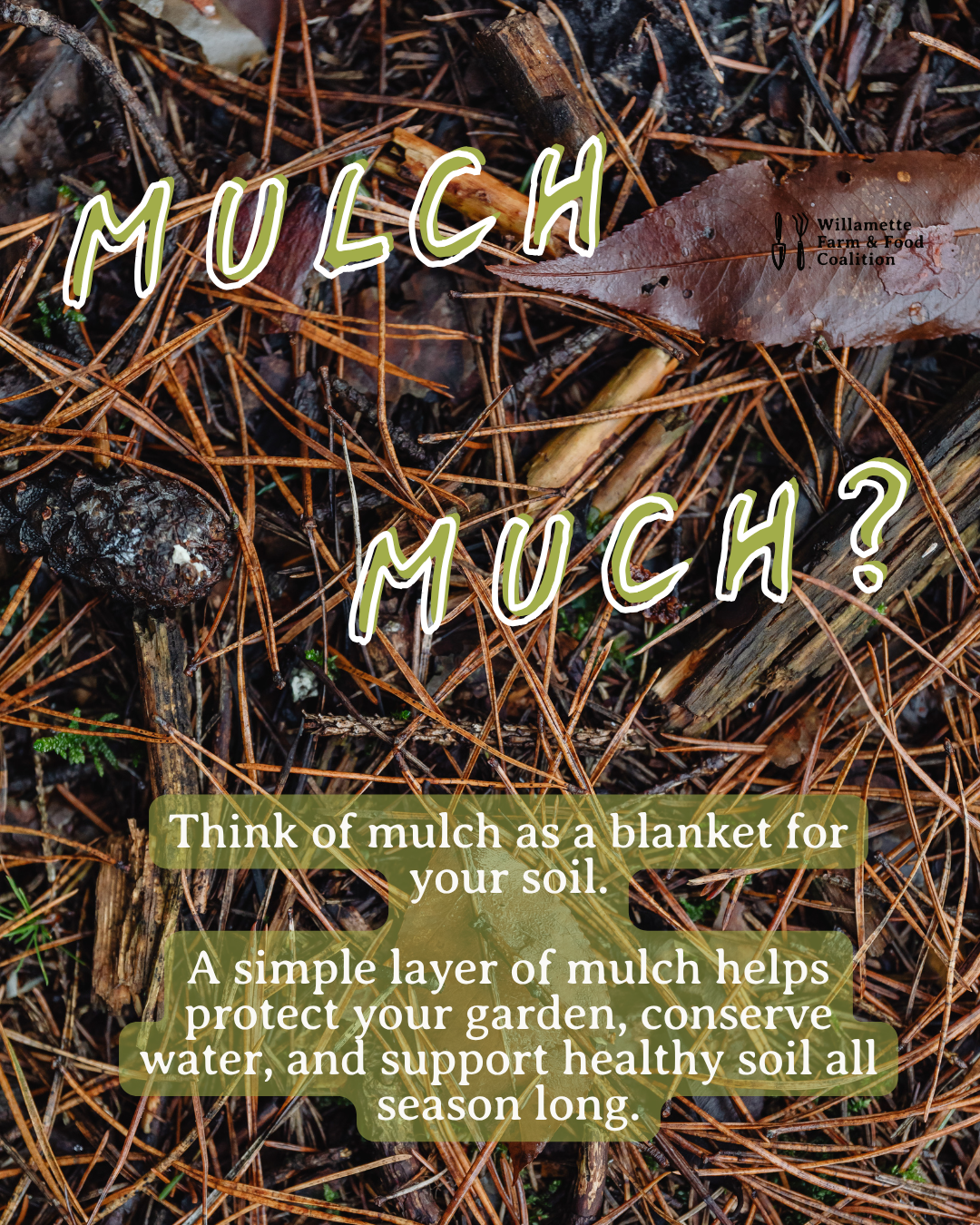
Most growers have completed a large portion of the season's biggest tasks: seeding, preparing beds, transplanting, and setting up irrigation. As gardens and farms begin producing fruits, vegetables, herbs, and flowers, there is one simple practice that can make a big difference for the rest of the growing season: mulch.
Think of mulch as a blanket for your soil.
Mulch is a layer of material spread across the soil surface. Whether you're growing in containers, backyard gardens, or larger farm fields, mulch has numerous benefits for plants, people, and the soil itself. It helps create healthier growing conditions while making your garden more resilient during the heat of summer.
One interesting thing about healthy ecosystems is that bare soil rarely occurs in nature. Leaves, grasses, and other plant materials naturally cover and protect the ground. Mulch helps recreate those natural conditions in our gardens and farms.
Why mulch?
Mulch offers many benefits, including:
Suppressing weeds and reducing weed pressure
Retaining soil moisture and reducing the need for supplemental watering
Conserving water and helping reduce water bills
Reducing erosion from wind and rain
Supporting nutrient cycling and making nutrients more available to plants
Protecting soil from excessive sun and UV exposure
Protecting and improving soil structure
Supporting healthy soil biology
Providing food for beneficial soil microbes
Healthy soil supports healthy plants, and healthy plants produce abundant harvests.
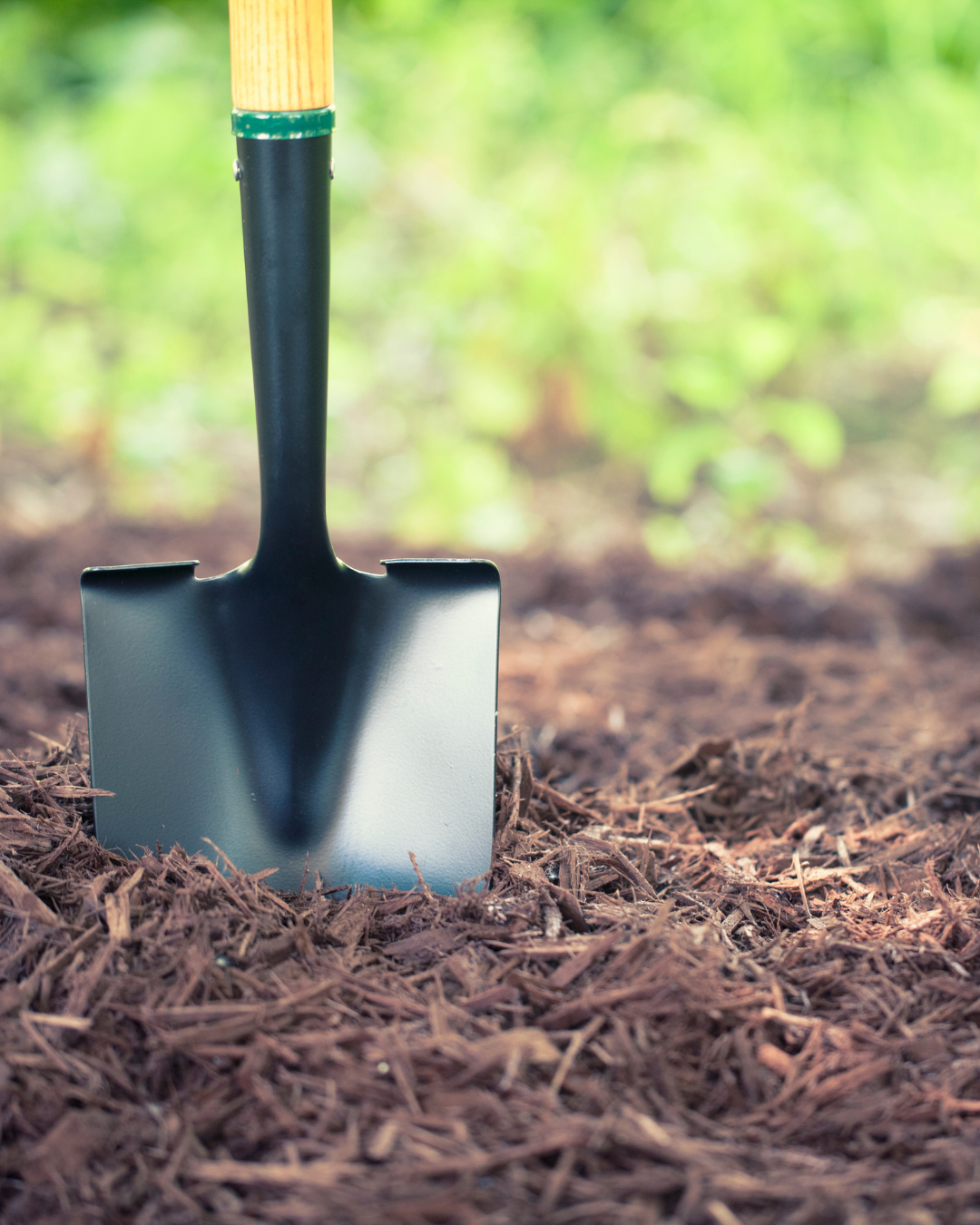
Types of mulch
Many materials can be used as mulch.
Biodegradable mulches
Wood chips
Straw (not to be confused with hay!)
Cardboard
Fallen leaves
Garden clippings (as long as they are disease-free)
Cover crop residue
Nut shells
Compost
Non-biodegradable mulches
Landscape fabric
Plastic mulch
Rubber mulch (often made from recycled tires)
How to apply mulch
A few simple steps will help mulch work its best:
Remove existing weeds before applying mulch.
Fluff the mulch before spreading it. If mulch is packed too tightly, water may have difficulty reaching the soil.
Apply a layer about 2 to 4 inches thick, if resources allow.
Keep mulch a few inches away from plant stems and tree trunks to reduce the risk of disease.
Biodegradable mulches break down over time, so expect to replenish them every few months as needed.
A few things to keep in mind
Like any gardening practice, mulch comes with a few considerations.
Applying mulch can take time and physical effort.
Some mulches can provide habitat for slugs, snails, or other pests.
In damp conditions, mulch may contribute to fungal diseases if applied too closely to plants.
If using wood chips, avoid mixing them into the soil, as they can temporarily reduce nitrogen available to plants during decomposition.
Applying mulch too early in cool spring weather can slow soil warming and delay plant growth.
Where can you find mulch?
Many mulch materials may already be available close to home.
Your own backyard
Neighbors who have extra leaves or wood chips
Garden cleanup materials
Local arborists who may offer free chip drops
Local home improvement and garden stores
Mulching doesn't have to be expensive. Often, the best materials are already part of your local landscape.
Happy mulching!
